When I hopefully become a teacher, I hope to teach Authentic Writing to my students in an effective way, and to the best of my abilities. This being said, I am still just a student and do not know exactly how to do so. I only have a vague and general knowledge of the subject among the many suggestions thrown my direction as to how to teach Authentic Writing “in the best way”.
However, as I go through my own teaching journey and educate myself on Authentic Writing and its many variables, I find myself leaning towards a few specific ideas that appeal to me. I found these ideas in the article, Keeping It Real: Valuing Authenticity in the Writing Classroom, written by Anne Elrod Whitney.
The first idea that caught my attention in the article is when Whitney discusses ways to introduce the value of authenticity with respect to genre. The author presents a great way to incorporate different types of authentic writing into the classroom through genre. The different types she presents gives students opportunities to be creative as well as expand their horizons in authentic writing. Whitney states, “Students shouldn’t be writing ‘papers.’ They should be writing travel essays, book reviews, advice columns… the layout of bookstores, magazines, and websites.” Personally, I believe that this is a great way to help students understand the genres of authentic writing in a fun way. Many, if not all students tend to hear “paper” and immediately run in the other direction which leads to minimum to no effort at all and a significant lack of interest. In this method, if the students have options and are able to use their creativity, they will be more inclined to do better and put in more effort.

The second point made that I would like to remember is the example given about how to steer the “process in a more authentic direction.” The author discusses how both you and your students should keep a writing journal, or more of a “process log”. This can be beneficial to both you and your students in the long run. I would prefer to keep a composition notebook for each class I have, so I can keep track of each classes’ progress throughout the year. Additionally, I would have my students keep composition notebooks that they could leave in the classroom. Each day, you and the class would collectively write some notes down. Students would also be able to write down personal goals of theirs, as well as specifics they may struggle with. I thought this was a great idea to keep everyone, including yourself, on the same page as your students so you know what you’ve already done, and how to create your next lesson based off of the feedback you received.
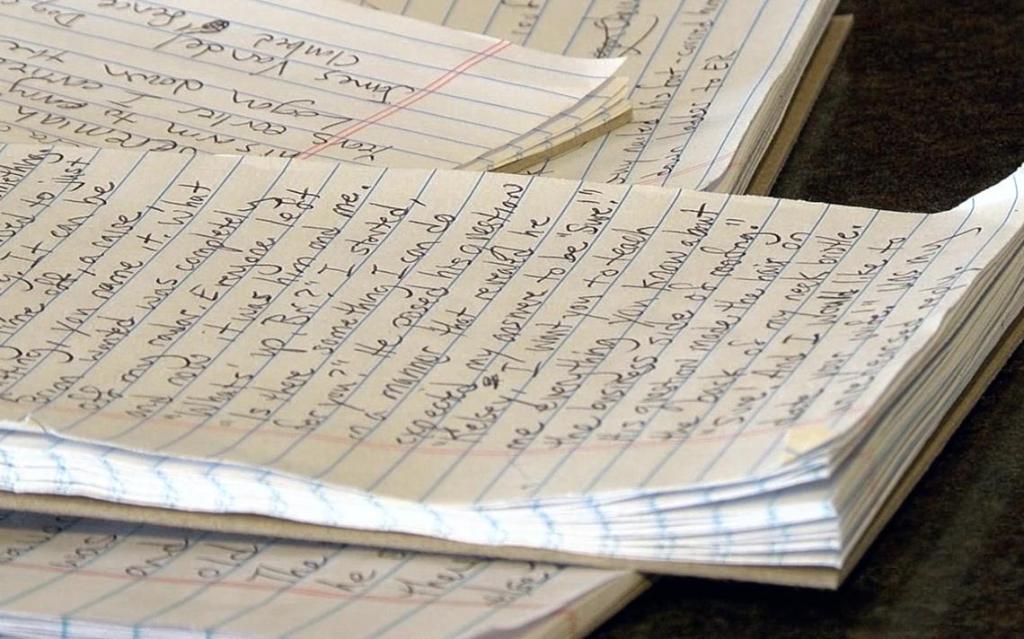
The last example given that I thought was an excellent idea was discussing rough drafts as a class. In this method, the students will bring their rough draft, edited, and go around to discuss what they may have taken out of their rough draft and why. Through this method I believe that a lot of positive feedback and input from peers as well as the teacher can help the students writing. Also, this is beneficial to students who may be struggling with editing because they will be able to see what was edited out of other students drafts, but more importantly, they will be able to see and listen to the explanation of why it was removed from the draft.

Overall, I favored these three examples of incorporating authentic writing into the classroom because they reminded me of what I personally experienced when I was learning how to write and how much it helped me and my writing.
 Rhiannon's Blog
Hey Rhiannon,
I thought you highlighted some good points from the article by Whitney. I like how you chose to discuss how you would implement some of these tips and methods inside your classroom. Making sure students are engaged with writing is important because if they’re not, it’s going to be extremely hard to get them to focus on the task. I recently wrote that with authentic writing, it’s time the schools start shifting more towards allowing their students to choose the topics they want to write about. The days of shoving the traditional five-paragraph essay down their students’ throats should be over. That and command feedback will break a student’s confidence and make him/her hate writing, and once that has happened, it’ll be nearly impossible to get the student back.
LikeLike
I like your perspective on authentic writing in the classroom. I hope to implement it into my classroom one day as well. I like the idea of keeping a notebook for each class. This is also a great way to make sure that every class is on the same page because sometimes some classes are behind others. I like the idea of giving students options when they write because it will encourage them. I want to avoid students feeling apathetic towards writing assignments as much as possible and I think this is possible through authentic writing. In addition to that, I think going over rough drafts in class is important because it will show students that we are all progressing in our writing and we can make mistakes and improve them.
LikeLike
Hey Rhiannon! This is a great blog post! I love the part about keeping a composition notebook as a type of journal so that you can keep track of your students and their progress. A student using a journal is such a great way for them to practice authentic writing, they can do so much with that from simply talking about their lives to even writing their own poems and short stories. Discussing rough drafts in class is also a great idea, but it would have to be used carefully as a student could get discouraged is people ripped into their personal writing in the middle of class but still it can be a great help to share ideas.
LikeLike